
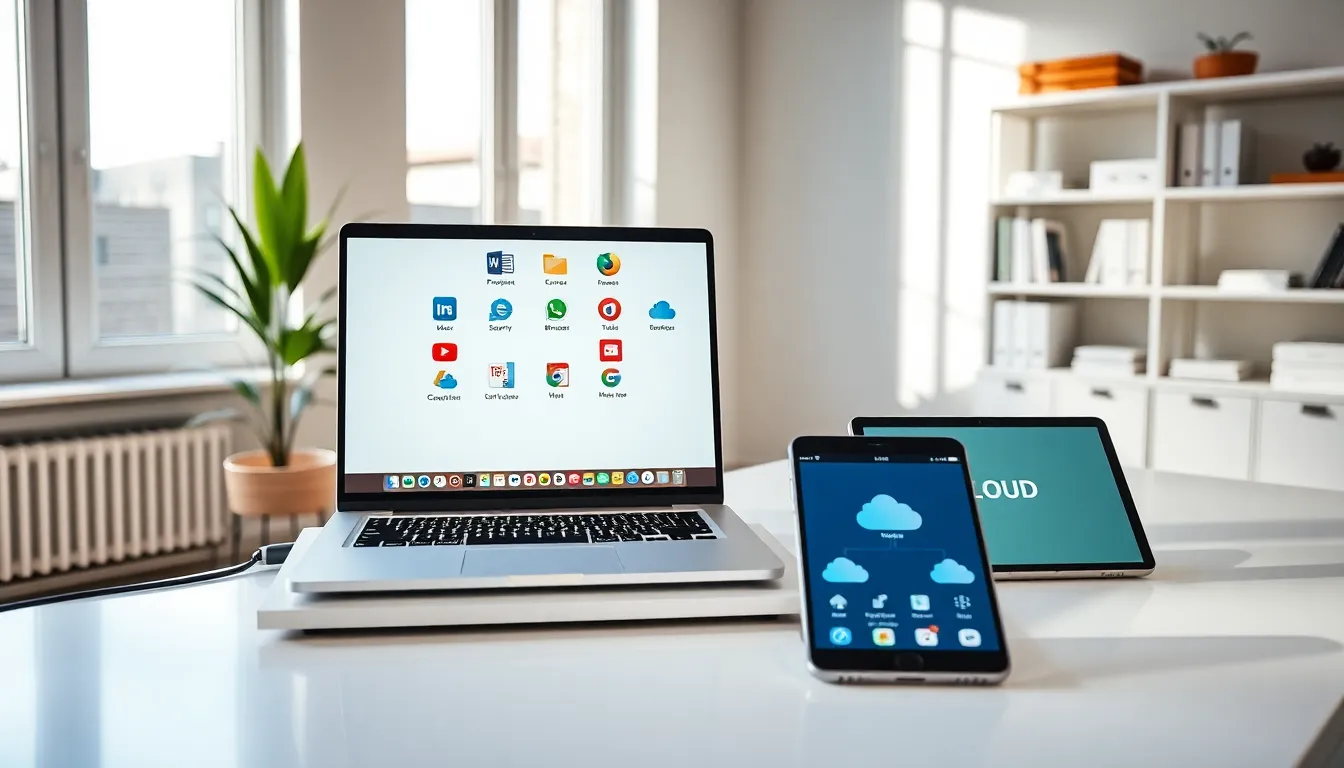
Software essentials examples define the programs every computer user needs to work, communicate, and stay secure. Whether someone uses a laptop for business or a desktop for personal projects, certain applications form the backbone of daily computing. These must-have programs handle everything from document creation to virus protection.
This guide breaks down the core software categories that belong on every system. Readers will discover which operating systems, productivity tools, security applications, and utility programs deserve installation priority. Each category serves a specific purpose, and understanding these software essentials examples helps users build a complete, functional setup from day one.
Table of Contents
ToggleKey Takeaways
- Software essentials examples include operating systems, productivity suites, security tools, browsers, and utility programs that every computer needs to function effectively.
- Security software like antivirus programs, password managers, and VPNs protect your data and should never be skipped during setup.
- Productivity tools such as Microsoft 365, Google Workspace, or LibreOffice handle document creation and rank among the most critical software essentials examples for work and personal use.
- Web browsers like Chrome, Firefox, and Edge serve as your gateway to the internet, each offering different strengths in speed, privacy, or system integration.
- Utility programs including VLC Media Player, cloud storage apps, and compression tools round out a complete, functional computer setup.
- Choosing your operating system first determines which software essentials examples you can install, so consider your primary tasks before making a decision.
Operating Systems as the Foundation
Every computer requires an operating system to function. The OS manages hardware resources, runs applications, and provides the user interface people interact with daily. Without this foundational software, a computer remains an expensive paperweight.
Three major operating systems dominate the market today:
- Windows – Microsoft’s OS powers most desktop computers worldwide. Windows 11 offers broad software compatibility and gaming support. It remains the default choice for business environments.
- macOS – Apple’s operating system runs exclusively on Mac hardware. Creative professionals often prefer macOS for its stability and integration with design software.
- Linux – This open-source option appeals to developers and privacy-conscious users. Ubuntu, Fedora, and Mint rank among popular Linux distributions.
The operating system choice affects which software essentials examples a user can install. Some applications run only on Windows, while others work across multiple platforms. Users should consider their primary tasks before selecting an OS.
Chromebooks use Chrome OS, a lightweight alternative built around web applications. This option works well for users who primarily browse the internet and use cloud-based tools. But, it limits access to traditional desktop software.
Productivity and Office Software
Productivity software handles the documents, spreadsheets, and presentations that drive modern work. These programs rank high among software essentials examples because nearly everyone needs to create or edit files.
Microsoft 365 remains the industry standard. Word, Excel, and PowerPoint offer powerful features and widespread file compatibility. The subscription model includes cloud storage through OneDrive and regular feature updates.
Google Workspace provides browser-based alternatives. Docs, Sheets, and Slides work entirely online, making collaboration simple. Multiple users can edit the same document simultaneously. The free tier covers most personal needs.
LibreOffice delivers a free, open-source option for those avoiding subscriptions. It handles common file formats and includes Writer, Calc, and Impress as core applications.
Note-taking applications also fall into this category. Notion, Evernote, and Microsoft OneNote help users organize ideas, research, and project notes. These tools sync across devices, keeping information accessible everywhere.
For task management, applications like Todoist, Trello, and Asana track projects and deadlines. Small teams and individuals benefit from these software essentials examples to maintain organization.
Security and Privacy Tools
Security software protects computers from malware, hackers, and data theft. Skipping these software essentials examples puts personal information and system stability at risk.
Antivirus programs detect and remove malicious software. Windows includes Microsoft Defender, which provides baseline protection at no cost. Third-party options like Bitdefender, Norton, and Malwarebytes offer additional features such as real-time scanning and ransomware protection.
Password managers solve the problem of remembering dozens of unique passwords. Bitwarden, 1Password, and LastPass generate strong passwords and store them securely. Users only need to remember one master password.
VPN software encrypts internet connections and masks IP addresses. NordVPN, ExpressVPN, and ProtonVPN rank among popular choices. People use VPNs on public Wi-Fi networks and to access region-restricted content.
Firewall applications monitor incoming and outgoing network traffic. Most operating systems include built-in firewalls. Users should verify these remain enabled and properly configured.
Two-factor authentication apps add another security layer. Google Authenticator and Authy generate temporary codes that protect accounts even if passwords leak. These software essentials examples prevent unauthorized access to email, banking, and social media accounts.
Web Browsers and Communication Apps
Web browsers serve as the gateway to the internet. Every computer needs at least one reliable browser installed. These software essentials examples affect browsing speed, privacy, and website compatibility.
Google Chrome holds the largest market share. It offers fast performance and extensive extension support. But, Chrome consumes significant system memory.
Mozilla Firefox prioritizes user privacy. This browser blocks trackers by default and receives updates from a nonprofit organization.
Microsoft Edge ships with Windows and uses the same engine as Chrome. It integrates well with Microsoft services and offers competitive performance.
Safari comes preinstalled on macOS devices. Apple users appreciate its energy efficiency and seamless sync with iPhones and iPads.
Communication apps connect users with colleagues, friends, and family. Slack and Microsoft Teams dominate workplace messaging. These platforms support text chat, video calls, and file sharing.
For personal communication, Zoom handles video conferencing needs. Discord appeals to gaming communities and interest groups. WhatsApp and Signal provide encrypted messaging across devices.
Email clients like Outlook and Thunderbird organize correspondence locally. These software essentials examples remain valuable for users who prefer offline access to messages.
Media and Utility Programs
Media software handles audio, video, and image files. Utility programs maintain system health and improve workflow efficiency. Both categories contain software essentials examples that round out a complete computer setup.
VLC Media Player plays virtually any audio or video format. This free, open-source application works on Windows, macOS, and Linux without requiring additional codecs.
Spotify and Apple Music stream millions of songs on demand. Podcast enthusiasts use these same platforms or dedicated apps like Pocket Casts.
Photo management needs vary by user. Adobe Lightroom serves professional photographers. Google Photos and Apple Photos offer simpler organization with cloud backup.
For image editing, Adobe Photoshop leads the professional market. GIMP provides a free alternative with similar core features. Canva works well for quick graphics and social media posts.
Compression utilities like 7-Zip and WinRAR handle ZIP and RAR files. These software essentials examples reduce file sizes and extract downloaded archives.
Cloud storage apps sync files across devices. Dropbox, Google Drive, and iCloud keep documents accessible from any computer or phone. Most offer free storage tiers between 5-15 GB.
System cleaners remove temporary files and free up disk space. CCleaner and BleachBit help maintain performance over time.


